Originally published on LinkedIn here
Original text below:
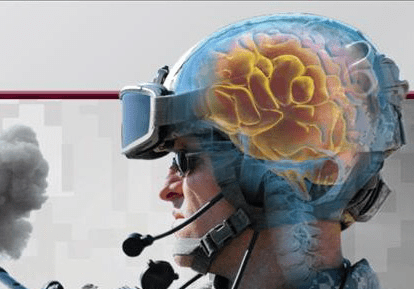
Some of the most complex and prevalent medical issues facing today’s warfighter involve the threat, prevention, and treatment of brain injuries. For #BrainInjuryAwarenessWeek, we spoke with Dr. Valerie Divito, Civilian Deputy Director at the Military Operational Medicine Research Program (MOMRP), one of several programs studying brain injuries at MRDC.
“Brain injuries have a much bigger impact than people think,” Dr. Divito said. “They aren’t as simple as breaking an arm, where you’re injured and then eventually heal in a predictable way. Brain injuries present complex physical and mental symptoms that can range from acute to long term.”
“In reality, a brain injury is just the start, and other problems may appear after the initial injury. There are aspects linked to the region that was injured that could impact how you walk or talk, for example. There’s also a traumatic aspect to brain injuries such as PTSD and other issues that are either coincidental or directly related to the physical brain injury.”
MOMRP is focused on preventing brain injuries. Dr. Divito says a big emphasis is being placed on understanding what level of blast will cause someone to have a brain injury or an adverse outcome, whether it be mental or physical. That level is called the “injury threshold,” and MOMRP is working on ways to detect when the threshold has been broken to help prevent further injury.
“We have a major effort called the ‘concussion dosimeter,’ where we’re conducting research and experimentation to understand what level of exposure, whether that be blast or impact exposure, that actually causes a concussion,” Dr. Divito said. “And then from that, we’re developing injury curves and algorithms to help detect when an exposure becomes a concussion risk.”
Those algorithms will then transition to advanced development teams who are working on wearable sensors for the warfighter.
“We’re pairing the algorithms with wearable technology to eventually deliver a product where a commander and potentially even the individual warfighter can identify the likelihood of a concussion just based on the output from their gauge. That’s all due to the algorithm and science that MOMRP sponsors across multiple performing organizations.”
Knowing when the warfighter is at risk of concussion can lead to better treatment for that individual, and a healthier force overall.

 Doug Atkinson's Writing Portfolio
Leave a comment